

Botox: What Is It and How Does It Work?
Botox is a prescription medication used to treat both cosmetic and medical conditions. Administering Botox treatment requires medical expertise, even when the treatment is for cosmetic purposes.
Indications for Botox treatment:
- wrinkles, fine lines, and other signs of aging
- migraines, bruxism, and excessive sweating
The effects of Botox begin within a few days and peak after about two weeks. The results typically last 3–6 months. The duration varies from person to person.
What is Botox treatment?
Botox, or botulinum toxin treatment, is an injection therapy administered with a prescription medication, in which botulinum toxin is injected into carefully selected muscles.
The treatment reduces the activity of the muscles being treated:
- When the muscle relaxes, the skin no longer wrinkles in the same way as before. As a result, expression lines, such as forehead wrinkles and frown lines, may smooth out.
- When the muscles that pull the features downward relax, the muscles that lift them can work more effectively than before.
The effects are temporary and usually last about 3–6 months. Treatment is tailored to each individual based on facial anatomy and the desired outcome.
- Botox reduces muscle activity in the injection area
- Botox is most commonly used to treat the forehead, frown lines, and the area around the eyes
- The effects will start to show in a few days
- The final result will be visible in about 1–2 weeks
Aesthetic botulinum toxin treatment
The most common areas for Botox treatments are the forehead and the glabellar lines between the eyebrows.
You can learn more about the different treatment areas here:
- Forehead lines
Botox relaxes the forehead muscles and smooths out horizontal expression lines. - Sibelius wrinkle
The crease between the eyebrows is often caused by intense muscle activity. Botulinum relaxes the muscle and refreshes the appearance.
Botox can reduce crow's feet around the outer corners of the eyes.- A subtle brow lift
In some cases, Botox treatment is also suitable for lifting the eyebrows.
Botulinum toxin can be used, for example, to shape the upper lip and nose.- Lower face
In some situations, botulinum toxin can also be used to balance muscle activity in the lower face. - Neck area
Botulinum toxin treatment of the neck can reduce the appearance of lines caused by the platysma muscle and so-called hamster bags.
Medical botulinum toxin treatment
In addition to aesthetic treatments, botulinum toxin is also used to treat certain medical conditions.
- Bruxism
Botulinum toxin treatment can be used to reduce hyperactivity in the masticatory muscles and alleviate the symptoms of bruxism.
Read more about botulinum toxin treatment for bruxism.
- Migraine
Botulinum toxin is also used to treat chronic migraine for certain medical reasons.
Learn more about botulinum toxin treatment for migraine.
- Excessive sweating
Botulinum toxin treatment can reduce the activity of sweat glands, for example in cases of excessive underarm sweating.
How does Botox work?

Botox treatments target the facial muscles that cause wrinkles as a result of repeated muscle contractions. Horizontal forehead wrinkles are associated with the frontalis muscle, while frown lines between the eyebrows are mainly caused by the activation of the corrugator supercilii and procerus muscles.
Botox is a prescription drug whose active ingredient is type A botulinum toxin. It is used in medically justified aesthetic treatments to relax muscles that wrinkle the skin or pull features downwards.
As a result of botulinum treatment
- Repeated expressions do not deepen wrinkles.
- skin becomes smooth and features become slightly more defined
- muscle tension decreases and pain signal transmission weakens
Botox does not fill wrinkles or increase tissue volume. Its effect is based on regulating muscle activity. The end result of a well-planned and well-executed treatment is visible yet natural.
The effect of botulinum toxin on the neuromuscular junction
Botulinum toxin acts at the neuromuscular junction. Normally, the nerve ending releases a neurotransmitter called acetylcholine, which causes the muscle cell to contract. When botulinum toxin blocks the release of acetylcholine from the nerve ending, the muscle does not receive the contraction signal as strongly.
As a result, muscle activity is temporarily reduced. The muscle does not become completely paralyzed, but its activity is reduced in a controlled manner for a few months. When the muscle contracts less, the skin above it wrinkles less than usual. This also causes expression lines to become shallower and fade away.

The effect of botulinum toxin is based on neurotransmitters at the neuromuscular junction. When the release of acetylcholine is blocked, the muscle cell does not receive the normal contraction signal. This temporarily reduces muscle activity and explains why Botox can smooth out expression lines such as forehead wrinkles, frown lines, and crow’s feet.
Who is a good candidate for Botox treatment, and who isn't?
Botox, or botulinum toxin treatment, is suitable for people whose facial expression lines are caused by repeated muscle contractions. Typical treatment areas include horizontal forehead lines, the glabellar lines between the eyebrows, and crow’s feet.
The goal of the treatment is not to change facial expressions but to reduce excessive muscle activity, so that the skin wrinkles less than before and the face appears more relaxed than usual.
Botox treatment may be the best solution if
- You have expression lines that are particularly noticeable when you move your face
- you want to reduce wrinkles without surgery
- you're aiming for a natural and subtle result
- you understand that the effect is temporary (about 3–6 months)
Botox treatment isn't the best solution if
- you are pregnant or breastfeeding
- you have certain neuromuscular disorders (e.g., myasthenia gravis)
- there is an active infection or skin inflammation in the area
- you expect a permanent or completely transformative outcome
Why isn't Botox recommended for everyone?
Botulinum toxin acts at the neuromuscular junction by temporarily preventing muscle contraction. If wrinkles are primarily caused by structural changes in the skin (such as thinning of the skin or weakening of the connective tissue), botulinum toxin alone may not be sufficient treatment.
For this reason, the suitability of treatment is always assessed on an individual basis during the consultation.
The Role and Responsibilities of a Doctor or Dentist
Botox treatment is always planned based on facial anatomy and muscle function. Even the same wrinkle may have different causes in different people. This affects the choice of treatment and the final result. It should also be noted that a doctor or dentist is always responsible for planning and administering Botox treatment. By law, nurses are not permitted to independently plan or perform botulinum toxin treatments.
Botox: Face and Neck
Botox treatment can target several muscles in the face and neck.
The treatment plan is always based on a comprehensive assessment of the face, rather than on treating a single wrinkle.
The goal is to achieve a harmonious and naturally relaxed facial appearance, along with a youthful-looking neck. This is achieved by balancing muscle activity in the face and neck: the muscles that pull the features downward and cause wrinkles are relaxed, while the muscles that lift the features are left untouched. This restores youthfulness and freshness without making the expression look unnatural or unnatural.
Horizontal forehead lines
Botox treatment for the forehead reduces contraction of the forehead muscles. As the muscles relax, the skin wrinkles less and fine lines may become less noticeable. The goal of the treatment is to smooth the forehead while maintaining a natural expression.

In forehead Botox treatment, the injection sites are planned according to the anatomy of the frontalis muscle. This muscle is responsible for raising the eyebrows and causing horizontal forehead wrinkles. When muscle activity is reduced in a controlled manner, forehead lines become less pronounced and the facial expression appears more relaxed.
Horizontal lines on the forehead are caused by repeated activation of the forehead muscles, for example when raising the eyebrows. On young skin, these lines are mainly visible when facial expressions are made, but over time, lines and wrinkles begin to appear even when the face is at rest. Many women notice their first permanent expression lines around the age of 30–40, when hormonal changes begin to affect the entire body—including the skin.
Botox treatment gently reduces the activity of the forehead muscles.
When the muscle contracts less than usual, the skin overlying the muscle wrinkles less. As a result, fine lines disappear completely, and even deep wrinkles are significantly reduced.
When undergoing Botox treatments for the forehead, the following should be taken into account
- the natural position of the corners
- the shape of the eyelids and any age-related changes
- muscle balance between the forehead and the eyebrows

Botox treatment reduces the activity of the forehead muscles in a controlled manner. When the contraction of the frontalis muscle decreases, the forehead lines become shallower and the skin appears smoother.
Excessive relaxation of the forehead muscles can cause the eyebrows to droop, which is why the dosage must always be tailored to the individual. Read more about drooping eyebrows.
Botox treatment for the glabellar lines: How are the lines between the eyebrows treated?
Sibelius lines are treated with botulinum toxin by relaxing the muscle between the eyebrows. As the muscle’s contractile force decreases, the vertical crease may soften and the expression appear more relaxed. The treatment typically targets the corrugator supercilii and procerus muscles.
The glabellar line, or the crease between the eyebrows, forms when the muscles in the so-called glabella region are repeatedly activated, for example, when concentrating or squinting. Repeatedly furrowing the brows can give the face a tense, worried, or even angry look.
Botox can reduce the contraction of these muscles, thereby
- the line evens out or disappears completely
- brightens up
- the overall expression of the face becomes friendlier and more relaxed than before
When treating a Sibelius wrinkle, the goal is not a lack of expression but a natural change.

Pricing of botulinum toxin treatment
The cost of botulinum toxin treatment is particularly influenced by the area to be treated, the amount of product used, and the extent to which muscle activity is to be reduced. The level of training and experience of the practitioner also has an impact, as does the location of the clinic.
Each treatment is planned individually, so the price is always determined on the basis of a personal assessment.
Botulinum toxin is a prescription drug, and the dosage is always assessed according to safety and objectives. Therefore, an accurate cost estimate can only be given once the treatment area and dosage have been determined.
Crow's feet (around the eyes)
Botox around the eyes reduces laugh lines by relaxing the muscles at the outer corners of the eyes. As muscle movement decreases, skin wrinkling is reduced and lines are smoothed out. The goal of the treatment is to preserve facial expressiveness while reducing the appearance of wrinkles.
The crow's feet that form at the outer corners of the eyes are caused by the activation of the orbicularis oculi muscle when smiling and squinting.
Botox treatment can reduce muscle activity so that
- magpie's feet are slippery
- your perspective broadens
- the smile remains natural and the overall impression lively
The amount applied should be moderate so as not to restrict movement around the eyes too much.
The orbicularis oculi muscle pulls the outer corner of the eye into a wrinkle, causing crow's feet to form. If the outer corners of the eyes are left untreated but the forehead is treated, for example, this can result in wrinkles forming above the corners, which are visible when the corners are raised. In the worst case, leaving the corners of the eyes untreated can also cause the corners to droop." (Surgeon Ville Männistö)

Botox lip flip and other botulinum toxin treatments for the mouth area
A lip flip is a botulinum toxin treatment that reduces the activity of the muscles around the upper lip. This can cause the edge of the lip to turn slightly outward, making the upper lip appear more prominent. The treatment does not increase lip volume; rather, it affects muscle function.
Botox does not fill the lips, but rather
- subtly emphasizes the curve of the upper lip
- turn the red area up and out
- reduces excessive visibility of the gums
- reduces vertical wrinkles above the upper lip (so-called smoker's lines)
The effect of Botox on the lips is moderate and individual. The first lip flip treatment often serves as a trial treatment, based on which the patient's individual response to treatment is assessed.
“In practice, the first lip flip is always a trial treatment to test the patient's individual response to treatment.”

Lifting the corners of the mouth with Botox
Activity in the DAO muscles, which pull the corners of the mouth downward, can accentuate a gloomy, tired-looking, or tense expression. When the activity of these muscles is reduced through Botox treatment, the position of the corners of the mouth may subtly shift upward.
The goal of botulinum toxin treatment in this area is usually
- bring a slight smile to one's face
- brighten up a gloomy expression
- balances the muscle activity in the lower part of the face
The treatment works by weakening the action of the DAO muscles, which pull the corners of the mouth downward. This can alter the muscular balance in the lower part of the face, making the mouth area appear more lively than before.
“When planning treatment, I always take into account the muscle balance of the entire lower face area.”
Masseter Botox, or facial slimming
Botox injections into the masseter muscles reduce excessive activity in the chewing muscles, which is often associated with bruxism, or teeth grinding. As the muscle’s contractile force weakens, bite force may decrease, symptoms of bruxism may be alleviated, and the face may appear slimmer.
The masseter muscles are located at the corners of the mouth. They are the strongest chewing muscles in the face and, together with the temporalis muscles located at the temples, account for a large portion of the biting force. In some people, the masseter muscles are naturally very strong, but the muscle can also grow as a result of, for example, bruxism, or teeth grinding.
Masseter Botox refers to botulinum toxin treatment of the masseter muscles at the corners of the mouth. When botulinum toxin is injected into the masseter muscles, muscle activity decreases and biting force weakens slightly. The treatment does not prevent normal eating or speaking, but it can reduce muscle strain and tension.
Botox injections into the masseter muscles can help with the following conditions, for example:
-
-
- pain and tension in the masticatory muscles
- teeth grinding and clenching
- bruxism, or teeth grinding
- strong width of the lower face line
-
As the activity of the masseter muscles decreases, the muscle may shrink slightly over time. For this reason, masseter Botox can make the jawline softer and the lower face moderately narrower. Aesthetic facial narrowing occurs gradually as muscle mass decreases over the weeks following treatment.
- Pain in the masticatory muscles subsides
- Teeth grinding and clenching are reduced
- The lower face tapers moderately

The masseter muscle is one of the strongest muscles in the face and is involved in closing the teeth together. If the muscle is highly developed—for example, as a result of bruxism, or teeth grinding —it can make the lower part of the face appear wider.
Botox treatment reduces the activity of the masticatory muscles in a controlled manner, which can reduce muscle tension and at the same time narrow the lower part of the face naturally.
Botulinum toxin treatment for bruxism
Bruxism, or teeth grinding, is a condition of excessive tension in the masticatory muscles that can cause pain, headaches, fatigue, and tooth wear, even chipping. The symptoms often occur at night, but in many patients, unconscious jaw clenching during the day also puts constant strain on the masticatory muscles.
I use botulinum toxin to treat bruxism when excessive tension in the masticatory muscles causes clear symptoms and a bite splint or other conservative treatment alone is not sufficient.
“The effects of Botox treatment for bruxism usually last for 3–6 months. If the treatment response is good, the procedure can be repeated up to three times a year.”
(Oral and maxillofacial surgeon Ville Männistö)
How does Botox affect the masticatory muscles?
When treating bruxism, botulinum toxin is injected precisely into all the masticatory muscles and sometimes also into the neck and shoulder area. The drug inhibits the action of acetylcholine released from the nerve endings, thereby weakening the contraction force of the masticatory muscles in a controlled manner.
As a result of botulinum treatment
- decreased bite force in the masseter and temporalis muscles
- overactive chewing muscles are able to relax
- Symptoms associated with bruxism, such as pain, tension, and fatigue, are alleviated.
The treatment does not paralyze the chewing muscles, but the chewing force of the muscles is significantly reduced. Chewing and normal daily activities can be performed without any problems after the treatment.
Who is the treatment suitable for?
Botox may be the best option if
- the masticatory muscles are clearly hypertrophic (highly developed)
- Bruxism causes pain, fatigue, or tooth damage.
- A bite splint alone is not sufficient to alleviate symptoms associated with teeth grinding.
- Bruxism is associated with headaches or facial tension.
The suitability of treatment is always assessed individually in a clinical examination. Not all jaw pain is caused by bruxism, which is why an accurate diagnosis is important before botulinum toxin treatment.
What results can be expected?
The effect typically begins within a few days and intensifies over the following two weeks of treatment.
Most patients experience
- reduction in bruxism, or teeth grinding
- relief of side effects associated with grinding
Any aesthetic changes, i.e., a moderate narrowing of the lower part of the face, usually develop more slowly than the health effects. The narrowing becomes apparent gradually as the masseter muscle mass decreases.

Bruxism, or teeth grinding, puts strain on the masseter and temporalis muscles. Botox treatment reduces the activity of these muscles in a controlled manner, which can relieve jaw tension and reduce the associated symptoms of teeth grinding.
Botox for Migraines
Botulinum toxin treatment can be used to treat chronic migraine when headaches are recurrent and significantly interfere with daily life.
When treating migraines with Botox, the goal is to prevent the release of pain-related substances. When these substances are not released, the frequency of migraine attacks decreases and associated symptoms are alleviated. The central nervous system, which has become hypersensitive to pain, may also calm down.
Botox treatment for migraines is tailored to each individual based on their specific symptoms.
Who is Botox treatment for migraine suitable for?
Botox treatment may be considered when
- headaches occur several days a month
- my migraine has become chronic
- conventional medications are insufficient or cause side effects
The suitability of treatment is always assessed before the procedure.
“Not all headache patients benefit from botulinum toxin treatment, and it is wise to approach the first Botox treatment as a trial treatment to test the individual response to treatment.”
How is the treatment carried out?
Botox treatment for migraine involves treating several muscle groups in the head and neck area according to a precisely defined injection protocol. The treatment takes between ten and twenty minutes. After the treatment, the patient can return to their normal daily routine.
The effects begin gradually, and the treatment’s effectiveness is typically assessed about two weeks after treatment.
What kind of treatment results can be achieved?
Many patients experience
- the number of migraine days decreases
- the intensity of the seizure subsides
- reduced need for medication
The effects of Botox treatment usually last for about three months, after which the treatment can be repeated based on an individual assessment.
Safety of botulinum toxin treatment for migraine
Botox treatment for migraine is a medical procedure that is carried out using prescription medication. The treatment plan is based on a careful assessment and safe dosage. If you would like to find out whether botulinum toxin treatment could be a suitable option for you to manage your migraine, you can start by booking a free consultation.
The Botox Treatment Process
Botox treatment is a quick procedure, but it must be carefully planned. Every treatment should begin with a thorough evaluation and consultation.
1. Consultation and anatomical assessment
Before administering injections, the doctor or dentist discusses the matter with the patient, for example
- the customer's wishes and goals
- from previous botulinum toxin treatments
- any medical conditions and medications
Facial muscle function must be assessed both at rest and during facial expressions. Botulinum toxin treatment must be tailored to each individual; it should not follow a standard protocol.
2. Planning and implementation of injections
- The injection sites are marked.
- Botulinum toxin is injected with a thin needle into carefully selected muscles.
The procedure usually takes 5–15 minutes, depending on the number of areas being treated.
Most people compare the pain associated with injections to insect bites. It is not necessary to numb the skin, but if the patient is very sensitive to pain, a topical anesthetic may be considered.
3. After treatment
After a Botox treatment, the client can return to their normal daily routine.
The effect begins to show within a few days and stabilizes within about two weeks.
What happens after treatment?
Updated aftercare instructions based on the latest research findings can be found here: After Botox injections.
4. Control visit
The price of the Botox treatment includes a follow-up visit 2–4 weeks later.
The control assesses
- balance of the final result
- need for additional botulinum toxin
- patient satisfaction
- ideal timing for follow-up visits
During a follow-up visit, additional botulinum toxin can be administered to the treated areas at no extra charge, if necessary.
How long does a Botox treatment last?
A Botox treatment at my clinic typically takes 20–30 minutes. A thorough consultation and treatment planning take up most of that time; the injections themselves take only a few minutes.
The results last an average of three to six months.
When do the results of Botox become visible, and how long do they last?

reach their full effect in about two weeks.
The effect of botulinum toxin does not begin immediately after the injection. Most patients notice the first changes within 2–4 days, when muscle activity begins to decrease. The full effect is usually achieved after about two weeks.

sibeliusrypyssä, the effects usually last for about 3–4 months, while
purentalihaksissa, the effects may last longer.
The duration of Botox’s effects depends on the muscle being treated as well as individual factors. In facial expression muscles, the effects typically last a few months, whereas in larger muscles, such as the masseter muscle, the effects may last longer.
The duration of Botox treatment results varies from person to person. Factors that affect the duration include, for example
- treated muscle group
- dose used
- individual metabolism
- number of previous treatments
Regular treatment can prolong the effect over time in some patients. Typically, the results of the first Botox treatment wear off in three months, but with regular repeat treatments, the intervals between treatments can be extended to six months.
Is Botox safe?
Botulinum toxin has been used in medicine for decades and in aesthetic treatments for over 20 years. When performed correctly, Botox treatment is a safe procedure with highly predictable results.
Safety is based on four factors:
- Precise knowledge of anatomy
- Correct dosage
- A botulinum toxin medication purchased from a pharmacy and stored properly
- Careful patient selection
Each patient’s face must be assessed as a whole before treatment. This helps avoid uneven results and minimizes the risks associated with treatment.
The effects of Botox are always temporary, which makes the treatment easier to manage and safer. A follow-up visit is included in the total cost of the procedure, and during the follow-up, the results can be enhanced with small additional injections. If necessary, the treatment plan can be further adjusted during subsequent visits.
Side Effects and Safety of Botox Treatment
Botox treatment is a medical procedure, and like all injection treatments, it carries potential side effects. However, when properly planned and administered, Botox treatment is generally well tolerated. Ultimately, a doctor or dentist is always responsible for the use of Botox.
Any potential risks are always discussed before treatment begins. The treatment is safe, but of course it is not entirely risk-free.
The most common and transient side effects
The side effects of Botox treatment are almost always mild and temporary. These may include
- small lump at the injection site
- mild swelling
- bruise
- temporary soreness
These side effects usually disappear within a few days.
Rare but possible side effects
Botulinum toxin acts locally at the neuromuscular junction.
In some situations—especially if the drug spreads outside the treatment area—the following may occur
- temporary drooping of the eyebrow or upper eyelid
- asymmetry
- feeling of heaviness in the forehead
These effects are usually temporary and resolve over time. Precise injection technique and correct dosage significantly reduce the risk of these effects.
Medical contraindications
Botox treatment is not performed
- during pregnancy or while breastfeeding
- if the patient has certain neuromuscular disorders
- if there is active inflammation in the treatment area
- if it has been less than three months since your last botulinum toxin treatment
Any illnesses and medications are always reviewed before treatment.
How is safety ensured?
Safety depends on a few factors:
- For accurate anatomical assessment
- Proper storage and preparation of botulinum toxin
- For the administration of botulinum toxin
- Careful patient selection
Would you like to read a more detailed safety guide?
This page provides a concise overview of side effects. A more comprehensive safety guide can be found here.
The training and work experience of an oral and maxillofacial surgeon means they have a deep understanding of the nerve and muscle structures of the face. This medical understanding is essential for performing botulinum toxin treatments effectively and safely.
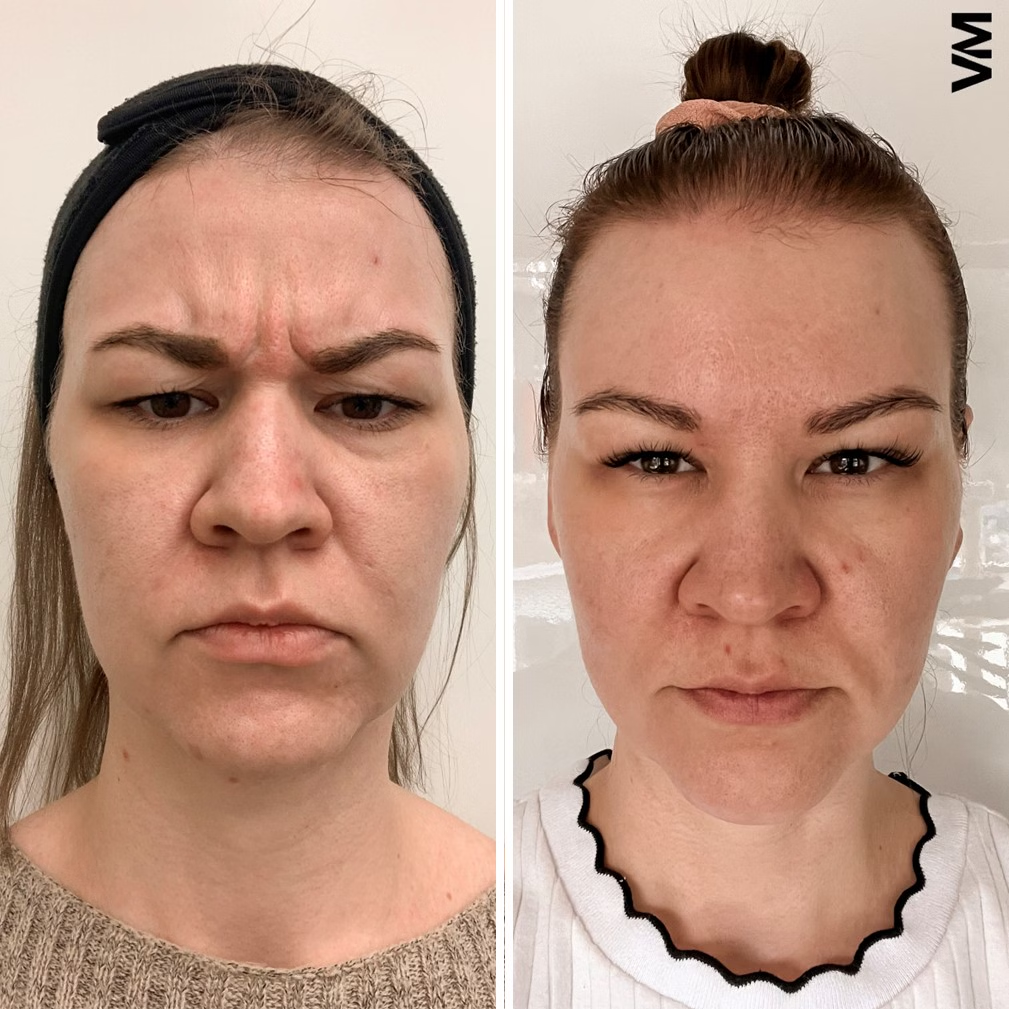
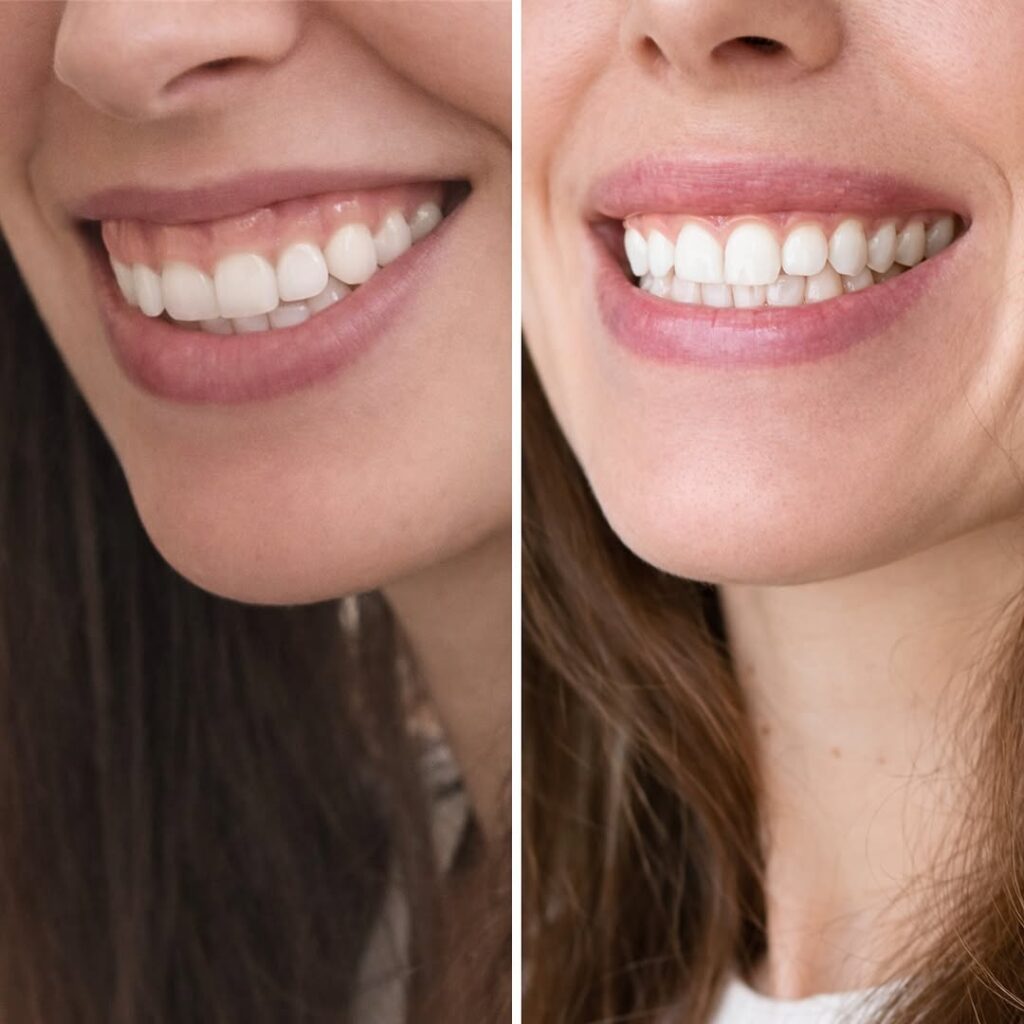
Results of Botox treatment
The before-and-after photos were taken with so-called "extreme facial expressions"
(e.g., maximum frown, maximum eyebrow raise)




Patients' experiences of treatment visits
Many patients say they are surprised by how natural the results are. I often hear feedback like this: "I look more rested, but no one notices anything in particular—which is exactly what I wanted."
“People coming in for treatment for the first time especially appreciate a calm reception. It is important to me that you have time to ask questions, express your wishes, and make a decision at your own pace without rushing.”
Ville Männistö's Botox treatments
The informational content of this Botox guide was compiled by oral and maxillofacial surgeon Ville Männistö. Over the course of his career , Ville has performed tens of thousands of Botox treatments:
- Aesthetic and medical Botox treatments since 2016
- Leading Botox training programs since 2018
- Dentist since 2009
- Oral and Maxillofacial Surgeon since 2023
- Education: University of Oulu
- In-depth knowledge of facial anatomy and function
- Instagram: https://www.instagram.com/ville.aesthetic
“Botulinum toxin treatment is based on medical research evidence. As part of my doctoral research, I am participating in a study on botulinum toxin treatments for the masticatory muscles. The study results have been published in an international peer-reviewed scientific journal.”