Botox gone wrong? Don't worry, help is available
A botched Botox treatment isn't a permanent problem.
The effects of botulinum toxin last for about 3–4 months, after which muscle function gradually returns to normal.
Many asymmetrical or undesirable results can also be balanced with small corrective injections.
Author:
Oral and maxillofacial surgeon Ville Männistö
If the Botox treatment went wrong, the situation is not permanent. The effects of botulinum toxin typically last for around 3–4 months, after which muscle function gradually returns to normal.
In many cases, the end result can also be balanced with small corrective injections. Therefore, botched Botox is less of a real problem than many people initially fear.
In this article, I will share my perspective as a surgeon:
- What to do if Botox treatment went wrong
- what usually causes problems
- Can the result be corrected?
- how long will the situation last
If you're looking for general information about Botox treatments, how they work, and the treatment process, you can find my comprehensive Botox guide here.
If you are wondering what happens after the treatment, you can read about it here:
After Botox injections.
What does “botched Botox” actually mean?
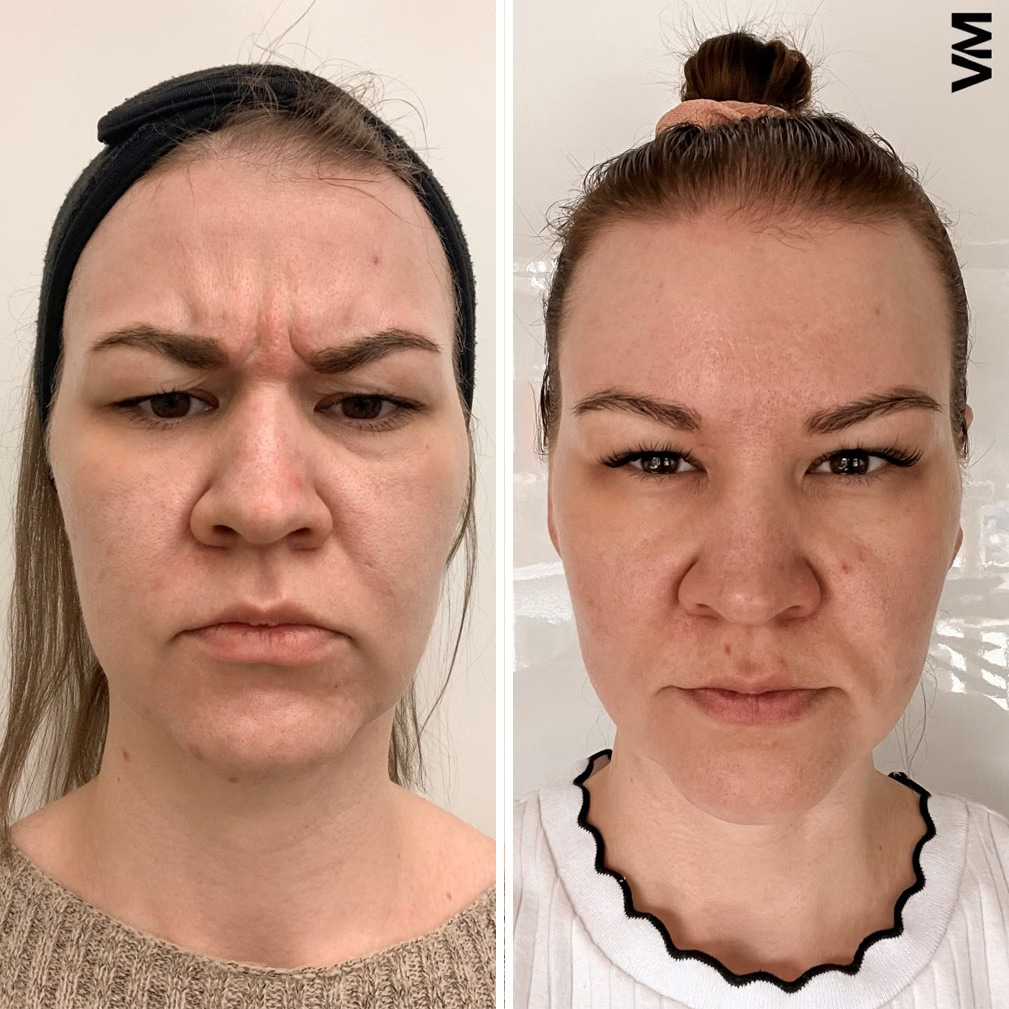
Botched Botox usually means a result that does not meet expectations. Your expression may appear asymmetrical, your eyebrows may feel heavy, or your facial movements may seem abnormal.
However, it is important to note that the effects of botulinum treatment are not permanent. Even if the end result seems unsuccessful at first, your expression will return to normal as the effects of botulinum wear off.
In many situations, the final result can also be balanced with small corrective stitches.

The most common signs of unsuccessful Botox treatment
Minor reactions at the injection sites, such as redness or bruising, are normal and do not mean that the treatment has failed. You can read more about these in the article on the side effects of Botox treatment.
However, clear signs of an undesirable outcome may include, for example:
- Spock eyebrows – the outer edges of the eyebrows rise too much
- drooping corners of the mouth or eyelids
- asymmetrical smile
- too stiff or "frozen" expression
- drooping eyelid (ptosis)
What usually causes Botox to go wrong?
The success of Botox treatment is based on a thorough understanding of the facial muscles. The most common problems are not caused by botulinum toxin itself, but rather by the treatment plan or injection technique.
Facial expressions are controlled by several muscles, such as thefrontalis muscle, theorbicularis oculi muscle, and thelevator palpebrae superioris muscle. If botulinum toxin affects the wrong muscle slightly, the result may look unexpected.
- excessive dose
- too small a dose
- incorrect injection site
- natural asymmetry of the face
- inadequate treatment planning
Can botulinum toxin that has gone wrong be corrected?
Often, yes. Although the effects of botulinum toxin cannot be completely "reversed," in many cases the situation can be balanced with small additional injections.
Correction may involve, for example, administering a small dose of botulinum toxin to the opposing muscle, thereby restoring balance to the facial muscles.
However, not all situations can be remedied. Sometimes the best solution is simply to wait for the effects of botulinum to gradually wear off.
Corrective injections are usually performed after about two weeks, when the effects of botulinum toxin have fully developed.
Is it normal for Botox to look strange during the first few weeks?
Yes. During the first two weeks, the final result of Botox treatment is still developing.
Many customers worry unnecessarily at this stage, as muscle activity often calms down at different rates. This can make the expression appear temporarily uneven or strange.
During the first few weeks, it is completely normal that
- the treated area looks slightly different on different days
- some muscles relax faster than others
- The forehead area feels momentarily heavy.
- changes in facial muscle balance may cause mild headaches
The final result can be reliably estimated after approximately two weeks.
The final results of Botox treatment are usually visible two weeks after the injections.
Botched Botox – how long will the effects last?
The effects of botulinum toxin usually last for about 3–4 months.
If the outcome is not as desired, the situation will almost always improve over time as muscle function gradually returns to normal.
Small asymmetries often even out within a few weeks.
Frequently asked questions about botched Botox
Can botched Botox be reversed?
There is no antidote for botulinum toxin. The effect cannot be completely reversed, but it can sometimes be counterbalanced with additional injections.
How long will the unsuccessful result last?
In most cases, the effect wears off within about 3–4 months.
When should you seek help?
If you are concerned about the end result or feel that your facial expression looks clearly unbalanced, it is advisable to consult an experienced professional.
Where are Botox treatments performed?
I perform botulinum toxin treatments in Helsinki, Tikkurila, Tampere, Pori, and Forssa, among other locations.
Do you suspect that your Botox treatment went wrong?
If you suspect that the results of your Botox treatment are not as desired, it is advisable to calmly assess the situation with a specialist. Often, it is a minor imbalance that can be corrected or will even out on its own over time.
You can send a photo of your situation for a free assessment here:
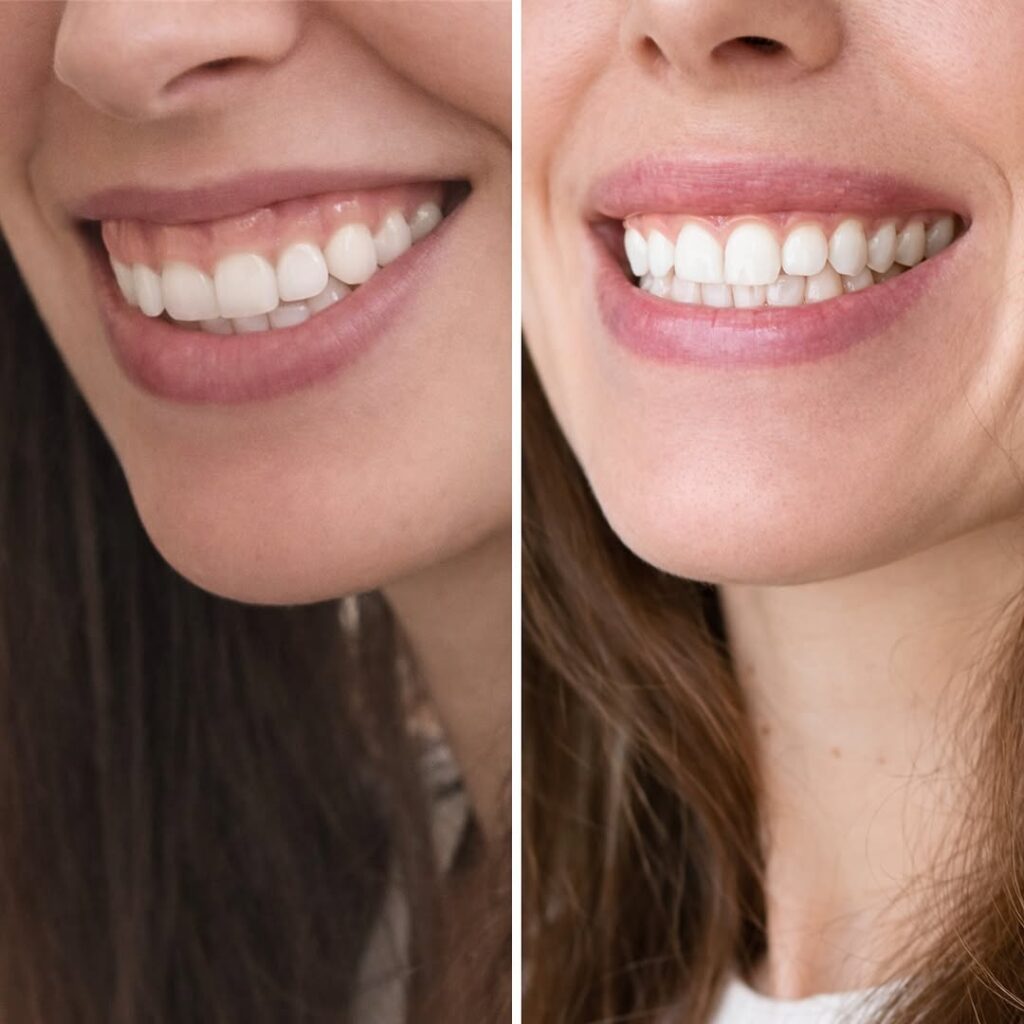
If you want to see what successful Botox results usually look like, check out these examples:
“Ville is someone you can trust. I’ve been to many places, but Ville is the first one who really knows his stuff and is also really nice. You feel like you’re in the hands of a true professional—Ville is the best!” (Google review, January 2026)
Author and Expertise
Author: Ville Männistö
Title: Oral and Maxillofacial Surgeon, Aesthetic Medicine
In addition to his clinical work, Ville Männistö is also a doctoral researcher. Part of his doctoral research focuses on the use of botulinum toxin. The research findings have been published; see the PubMed database.
Specialties: Botox and dermal filler treatments for the face
Last updated: 2026