Botox Helsinki – Free, no-obligation consultation

Botox is the best way to reduce wrinkles and other signs of aging. I am oral and maxillofacial surgeon Ville Männistö, and I perform Botox treatments in Kalasatama (Helsinki), among other locations. I tailor each Botox treatment individually to ensure a natural and balanced result.
You are warmly welcome to my Botox clinic in Helsinki. You can start with a free, no-obligation consultation.
Book a Botox consultation in Helsinki

Botox treatments in Helsinki are performed by oral and maxillofacial surgeon Ville Männistö.
“A thorough understanding of muscles, nerves, and blood vessels is the best—and essential—foundation for injection therapy.”
“Botox treatment is based on medical research evidence. I have participated in a study on disorders of the masticatory muscles. The study results have been published in an international peer-reviewed scientific journal.”
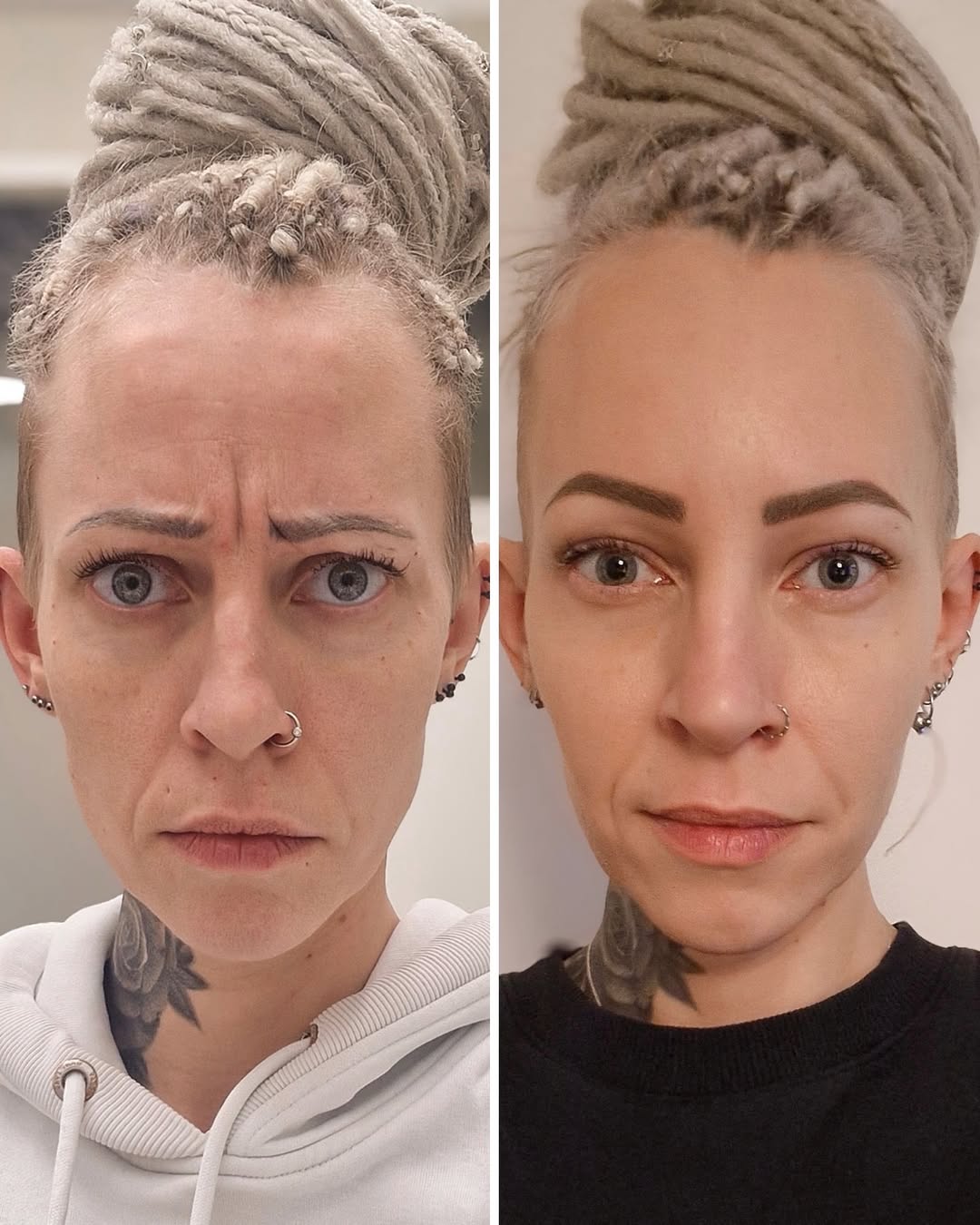
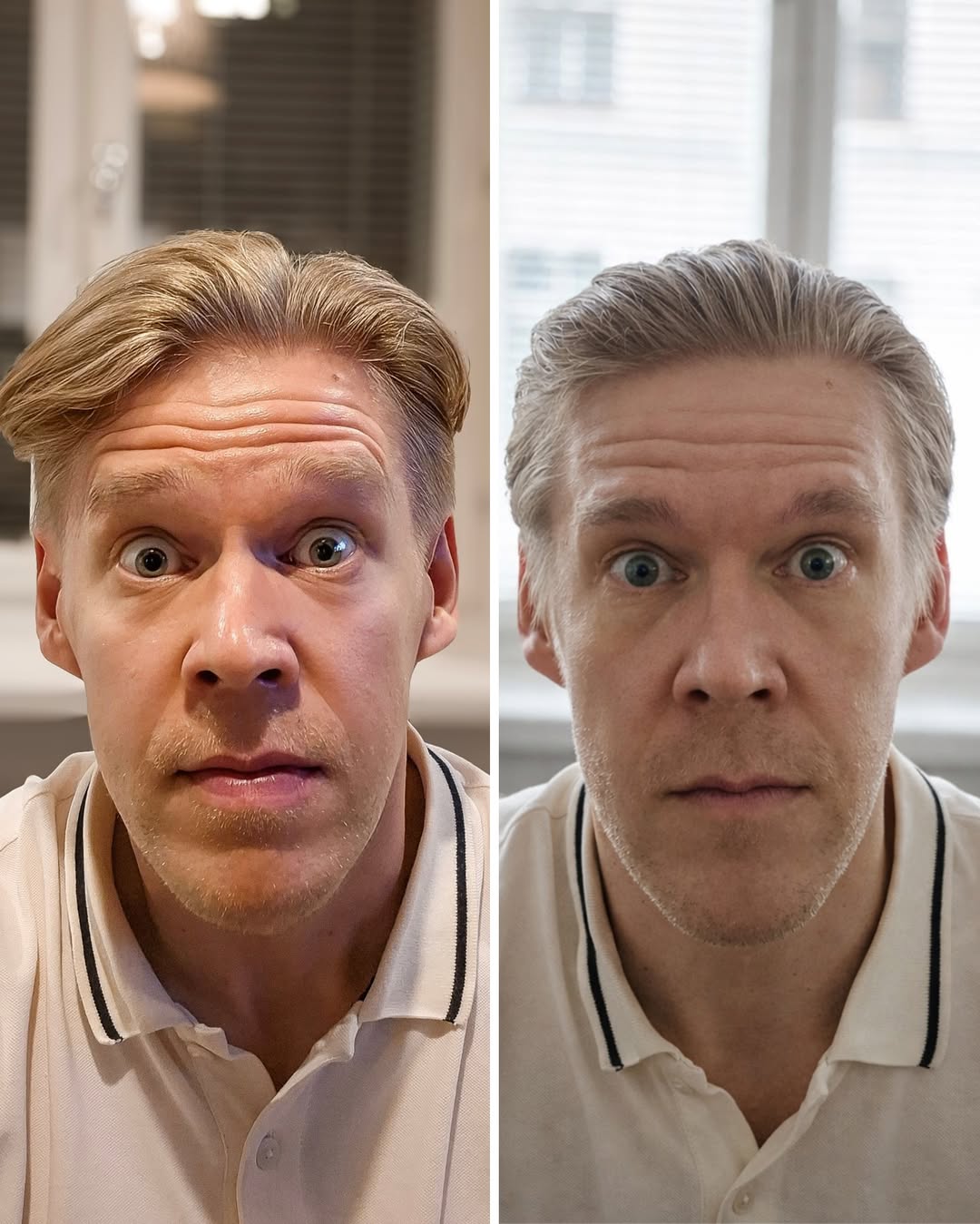
The best Botox treatment produces a noticeable change without making your face look unnatural. Wrinkles are visibly reduced, but your facial features remain natural. In the before-and-after photos below, you can see examples of the results of Botox treatment in different areas of the face.
You can find more examples on the Botox before and after page.

Ville is simply the best.
(NPS feedback, Helsinki, January 23, 2026)
The price of Botox treatment in Helsinki depends on the number of areas to be treated and the nature of the treatment (aesthetic or medical). I plan each treatment individually, and the exact cost is always discussed before the procedure.
Classic aesthetic Botox treatments
One area refers to, for example, crow's feet, horizontal lines on the forehead, or crow's feet around the outer corners of the eyes. Treatment areas are planned individually and according to your wishes.
Aesthetic
special treatments
In special treatments, the treatment area and dosage are selected even more carefully than usual. We will go through what can realistically be achieved together during your appointment.
Medical Botox treatments
Botulinum toxin treatments for bruxism, migraine, and excessive sweating in Helsinki/Tikkurila.
In medical treatments, the total cost is affected by the amount of the product used and whether Kela grants reimbursement. We always go through the scope of treatment and the total price before performing the procedure.
In Helsinki, the price also includes a follow-up appointment. During the follow-up appointment, I will evaluate the treatment results and, if necessary, add botulinum toxin at no additional cost to the areas that I treated during your initial appointment.
The follow-up visit is scheduled for 2–4 weeks after the actual Botox treatment. I do not perform additional Botox injections more than four weeks after the treatment; this way, I protect my patients from possible Botox resistance problems.
You can pay for Botox treatment
In addition, Resurs Bank offers an invoice and installment payment option (12 months interest-free payment period).
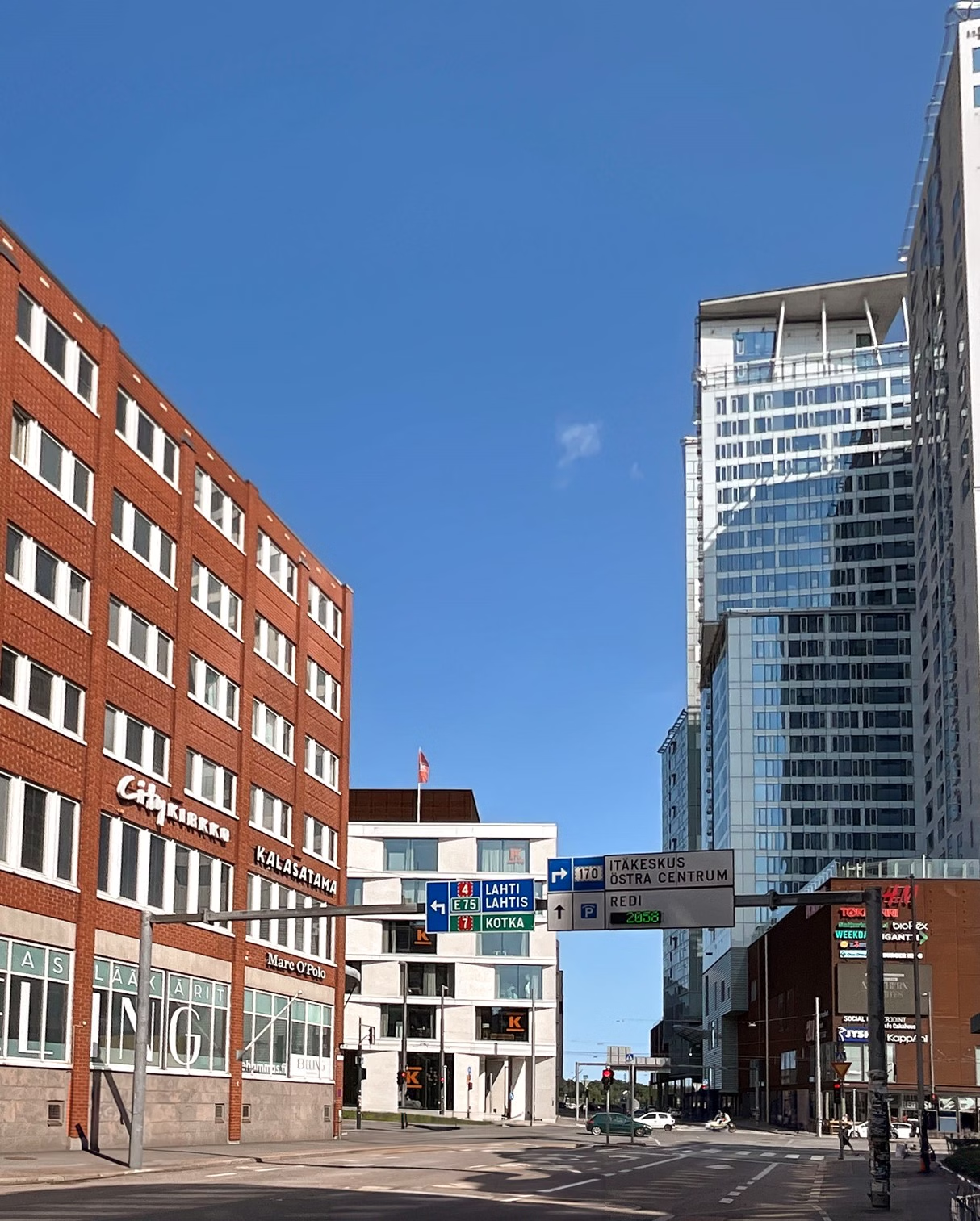
My office is located in Kalasatama, Helsinki, with excellent transport links.
ADDRESS:
Työpajankatu 10A
00580 Helsinki
The clinic is easy to reach by subway, bus, tram, or car.
Mon–Thu 8:00 a.m.–8:00 p.m.
Fri 8:00 a.m.–2:00 p.m.
I received truly excellent and professional service from Ville Männistö.
(NPS feedback, Helsinki, January 28, 2026)
Botox treatments are performed at my clinic in Kalasatama, Helsinki. The clinic is located on Työpajankatu and is easily accessible by metro, bus, or car. At the clinic, we assess facial muscle activity and plan a personalized Botox treatment to achieve a natural result.
Kalasatama metro station is 50 meters away, and bus 55 stops in front of the lower door.
The reception is located in Kalasatama, Helsinki, at the following address Työpajankatu 10A. The clinic is easily accessible by metro, bus, tram, or car.
Botulinum toxin treatment can be used on several areas of the face to reduce expression lines.
The most common areas for Botox treatment in Helsinki are the forehead, the frown lines between the eyebrows, and the area around the eyes.
Botulinum toxin is used not only for aesthetic treatments but also for the treatment of certain medical conditions. At my clinic in Helsinki, I perform botulinum treatments for conditions such as muscle problems related to chewing, chronic migraines, and excessive sweating.

Botox treatments target the facial muscles that cause wrinkles as a result of repeated muscle contractions. Horizontal forehead wrinkles are associated with the frontalis muscle, while frown lines between the eyebrows are mainly caused by the activation of the corrugator supercilii and procerus muscles.
More detailed guides:
Botox for the forehead and
Botox for crow's feet.
Botox is a prescription drug whose active ingredient is type A botulinum toxin. It is used in medically justified aesthetic treatments to relax muscles that wrinkle the skin or pull features downwards.
As a result of botulinum treatment
Botox does not fill wrinkles or increase tissue volume. Its effect is based on regulating muscle activity. The end result of a well-planned and well-executed treatment is visible yet natural.
Botulinum toxin acts on the neuromuscular junction. Normally, the nerve ending releases
a neurotransmittercalled acetylcholine, which causes the muscle cell to contract. When botulinum toxin prevents the release of acetylcholine from the nerve ending, the muscle does not receive the contraction signal as strongly.
As a result, muscle activity is temporarily reduced. The muscle does not become completely paralyzed, but its activity is reduced in a controlled manner for a few months. When the muscle contracts less, the skin above it wrinkles less than usual. This also causes expression lines to become shallower and fade away.

The effect of botulinum toxin is based on neurotransmitters in the neuromuscular junction. When the release of acetylcholine is blocked, muscle cells do not receive the normal contraction signal. This temporarily reduces muscle activity and explains why Botox treatment can smooth out expression lines such as forehead wrinkles, frown lines, and crow's feet.
Botox treatment can affect several muscles in the face and neck area.
At my clinic in Helsinki, the treatment plan is always based on a comprehensive assessment of the face,
rather than treating individual wrinkles.
The goal is to achieve a harmonious and naturally relaxed face. This is achieved by balancing the muscle activity in the face: the muscles that pull the features down and cause wrinkles are relaxed. The muscles that lift the features are left untouched. This restores youthfulness and freshness to the face without making it look unnatural or unfamiliar.

In forehead Botox treatment, the injection sites are planned according to the anatomy of the frontalis muscle. This muscle is responsible for raising the eyebrows and forming horizontal wrinkles on the forehead. When the activity of the muscle is reduced in a controlled manner, the forehead lines are smoothed out and the facial expression becomes more relaxed.
Read the detailed guide at
about Botox treatment for the forehead.
Horizontal lines on the forehead are caused by repeated activation of the forehead muscles, for example when raising the eyebrows. On young skin, these lines are mainly visible when facial expressions are made, but over time, lines and wrinkles begin to appear even when the face is at rest. Many women notice their first permanent expression lines around the age of 30–40, when hormonal changes begin to affect the entire body—including the skin.
Botox treatment reduces the activity of the forehead muscles in a controlled manner.
When the muscle contracts less than usual, the skin above the muscle wrinkles less.
As a result, fine lines disappear completely and even deep wrinkles are significantly reduced.
When performing forehead Botox treatments in Helsinki, I always take into account
For more information on Botox treatment for the forehead, see the guide:
Botox for the forehead – a surgeon's guide.

Botox treatment reduces the activity of the forehead muscles in a controlled manner. When the contraction of the frontalis muscle decreases, the forehead lines become shallower and the skin appears smoother.
Excessive relaxation of the forehead muscles can lower the eyebrows, which is why the dosage must always be determined on an individual basis.
Sibelius wrinkles, or the crease between the eyebrows, form when the muscles in the glabella area are repeatedly activated, for example when concentrating or squinting. Repeated frowning can create a tense, worried, or even angry expression on the face.
Botox can reduce the contraction of these muscles, thereby
When treating Sibelius wrinkles, the goal is not to achieve an expressionless face, but rather a natural change that does not alter the individual's facial expression or make it appear unnatural.

Sibelius wrinkles form between the eyebrows when the corrugator and procerus muscles pull the eyebrows together. Botox treatment reduces the activity of these muscles in a controlled manner, flattening the vertical line between the eyebrows and making the expression appear more relaxed.

Sibelius wrinkles form between the eyebrows when the corrugator supercilii and procerus muscles pull the eyebrows together. Botox treatment reduces the activity of these muscles in a controlled manner, flattening the vertical line between the eyebrows and making the facial expression more relaxed.
The crow's feet that form at the outer corners of the eyes are caused by the activation of the orbicularis oculi muscle when smiling and squinting.
Botox treatment can reduce muscle activity so that
In the botulinum treatments I perform in Helsinki, the dosage is planned conservatively so that movement around the eyes is not restricted too much.
The orbicularis oculi muscle pulls the outer corner of the eye into a wrinkle, causing crow's feet to form. If the outer corners of the eyes are left untreated but the forehead is treated, for example, this can result in wrinkles forming above the corners, which are visible when the corners are raised. In the worst case, leaving the corners of the eyes untreated can also cause the corners to droop." (Surgeon Ville Männistö)
The action of the DAO muscles, which pull the corners of the mouth downwards, can accentuate a tired, gloomy, or angry expression.
Botox can be used to relax the DAO muscles, in which case
“When planning treatment, I always take into account the muscle balance of the entire lower face area.”
In Botox lip flip treatment, a small amount of botulinum toxin is injected into the muscle surrounding the upper lip – and sometimes the lower lip.
Botox does not fill the lips, but rather
The effect of Botox on the lips is moderate and individual. The first lip flip treatment often serves as a trial treatment, based on which the patient's individual response to treatment is assessed.
“In practice, the first lip flip is always a trial treatment to test the patient's individual response to treatment.”

In lip flip treatment, botulinum toxin is injected into the orbicularis oris muscle surrounding the upper lip. When the muscle tension is slightly reduced, the red part of the upper lip turns slightly outward and the lips appear fuller without fillers.
Read more about the treatment in the guide at
botox lips.
The masseter muscles are located in the corners of the jaw and are the strongest chewing muscles in the face.
They are responsible for most of the biting force, together with the temporalis muscles located in the temples. In some people, the masseter muscles are naturally very strong, but the muscle can also grow as a result of bruxism, or teeth grinding.
Masseter Botox refers to botulinum toxin treatment of the chewing muscles. When botulinum toxin is injected into the masseter muscles, muscle activity decreases and chewing strength weakens slightly. The treatment does not prevent normal eating or speaking, but it can reduce muscle overload and tension.
Botox injections into the chewing muscles can help with the following problems, for example:
As the activity of the masseter muscles decreases, the muscle may shrink slightly over time. For this reason, masseter Botox can make the jawline softer and the lower face moderately narrower. Aesthetic facial narrowing occurs gradually as muscle mass decreases over the weeks following treatment.

The masseter muscle is one of the strongest muscles in the face and is involved in clenching the teeth. If the muscle is strongly developed, for example as a result of bruxism, or teeth grinding, it can make the lower line of the face appear wider.
Botox treatment reduces the activity of the masticatory muscles in a controlled manner, which can reduce muscle tension and at the same time narrow the lower part of the face naturally.
Read more about treatment in the guide
bruxism and Botox.
Bruxism, or teeth grinding, is a condition of excessive tension in the masticatory muscles that can cause pain, headaches, fatigue, and tooth wear, even chipping. The symptoms often occur at night, but in many patients, unconscious jaw clenching during the day also puts constant strain on the masticatory muscles.
At my clinic in Helsinki, botulinum toxin treatment is used to treat bruxism when excessive tension in the masticatory muscles causes clear symptoms and a bite splint or other conservative treatment alone is not sufficient.
“The effects of Botox treatment for bruxism usually last for 3–6 months. If the treatment response is good, the procedure can be repeated up to three times a year.”
(Oral and maxillofacial surgeon Ville Männistö)
When treating bruxism, botulinum toxin is injected precisely into all the masticatory muscles and sometimes also into the neck and shoulder area. The drug inhibits the action of acetylcholine released from the nerve endings, thereby weakening the contraction force of the masticatory muscles in a controlled manner.
As a result of botulinum treatment
The treatment does not paralyze the chewing muscles, but the chewing force of the muscles is significantly reduced. Chewing and normal daily activities can be performed without any problems after the treatment.
Botox may be the best option if
The suitability of treatment is always assessed individually in a clinical examination. Not all jaw pain is caused by bruxism, which is why an accurate diagnosis is important before botulinum toxin treatment.
The effect typically begins within a few days and intensifies over the following two weeks of treatment.
Most patients experience
Any aesthetic changes, i.e., a moderate narrowing of the lower part of the face, usually develop more slowly than the health effects. The narrowing becomes apparent gradually as the masseter muscle mass decreases.

Bruxism, or teeth grinding, puts strain on the masticatory muscles, especially the masseter muscle. Botox treatment reduces the activity of the masticatory muscles in a controlled manner, which can relieve jaw tension and reduce symptoms associated with grinding.
Read the detailed guide at
bruxism and Botox.
Botulinum toxin treatment can be used to treat chronic migraine when headaches are recurrent and significantly interfere with daily life.
When treating migraines with Botox, the aim is to prevent the release of compounds associated with pain. When these compounds are not released, headaches are reduced and the associated symptoms of migraines are alleviated. The central nervous system, which has become sensitive to pain, can also calm down.
At my clinic in Helsinki, Botox treatment for migraines is planned individually based on the symptoms.
Botox treatment may be considered when
The suitability of treatment is always assessed before the procedure.
“Not all headache patients benefit from botulinum toxin treatment, and it is wise to approach the first Botox treatment as a trial treatment to test the individual response to treatment.”
Botox treatment for migraine involves treating several muscle groups in the head and neck area according to a precisely defined injection protocol. The treatment takes between ten and twenty minutes. After the treatment, the patient can return to their normal daily routine.
The effect begins gradually and is typically assessed after approximately two weeks.
Many patients experience
The effects of Botox treatment usually last for about three months, after which the treatment can be repeated based on an individual assessment.
Botox treatment for migraine is a medical procedure that is carried out using prescription medication. The treatment plan is based on a careful assessment and safe dosage. If you would like to find out whether botulinum toxin treatment could be a suitable option for you to manage your migraine, you can start by booking a free consultation.
Botox treatment is suitable for adult women and men who want to reduce wrinkles and fine lines and rejuvenate and refresh their overall appearance. Medical indications for botulinum toxin treatment include, for example, physiological problems with chewing (bruxism), migraines, and various types of excessive sweating. At my clinic in Helsinki, I plan each patient's treatment individually based on their facial anatomy and goals.
In aesthetic use, Botox can be used to
In medical use, botulinum toxin is used, for example, in
Botox does not fill the skin or change facial proportions. Its effect is based on precisely targeted relaxation of muscle activity. When the muscle contracts less than before, the skin above it also smooths out.
In the Botox treatments I perform in Helsinki, I strive for visible yet natural results. The individual features of the face are preserved, while the skin is smoothed and brightened. After treatment, the face looks rested, youthful, and beautiful.
Botox treatment is not performed during pregnancy or breastfeeding, or in situations where the use of botulinum toxin is medically contraindicated. I always assess the suitability of the treatment before the injection procedure.
Botulinum toxin treatment is a medical procedure whose outcome depends primarily on anatomical understanding, dosage accuracy, and the individuality of the treatment plan.
At my clinic in Helsinki, treatment is based on clinical assessment, not on ready-made injection charts.
There is a dense network of nerves and muscles in the facial area.
Safe and natural Botox treatment requires a thorough understanding of:
Training as an oral and maxillofacial surgeon provides a solid foundation for assessing these structures and performing safe injection techniques.
Botox treatment is not performed "area by area" separately from the whole.
I always evaluate
The goal is not maximum muscle relaxation, but rather controlled and balanced change.
The success of aesthetic Botox treatment is not measured by how much the expression changes, but by how natural even a significant change appears.
The goal of treatment is to
Many patients want to look fresh and youthful without anyone noticing that they have undergone treatment.
Botulinum toxin can be used to treat both aesthetic and functional problems.
Clinical experience with both helps
I have been part of a research group whose study on masticatory muscle dysfunction has been published in an international peer-reviewed scientific journal. The publication has been indexed in the PubMed database.
The goal is for treatment decisions to be based on understanding, not haste.
Botox treatment is a quick procedure, but it must be planned carefully. At my clinic in Helsinki, each treatment begins with a calm assessment and consultation discussion.
Before the injections, I will go through everything with you.
I assess the muscle activity in your face both at rest and when you are making facial expressions. Botulinum toxin treatment must be planned individually, not according to a ready-made formula.
The procedure usually takes 5–15 minutes, depending on the number of areas being treated.
Most people compare the pain associated with injections to insect bites. It is not necessary to numb the skin, but if the patient is very sensitive to pain, a topical anesthetic may be considered.
You can return to your normal routine immediately after treatment.
You will receive clear aftercare instructions:
The effects begin to appear within a few days and stabilize within approximately two weeks.
More detailed instructions can be found here: after Botox injections.
At my clinic in Helsinki, the price of treatment includes a follow-up appointment after 2–4 weeks.
The control assesses
During the follow-up visit, I will add botulinum toxin to the treated areas if necessary, at no extra charge.
Botox treatment at my clinic in Helsinki typically takes 20–30 minutes. A thorough consultation and treatment planning take up most of the time, while the injections themselves only take a few minutes.

The effect of botulinum toxin does not begin immediately after the injection. Most patients notice the first changes within 2–4 days, when muscle activity begins to decrease. The full effect is usually achieved after about two weeks.
Read the detailed guide at
about the duration of Botox's effects.

The duration of Botox's effect depends on the muscle being treated and individual factors. In the facial muscles, the effect typically lasts a few months, while in larger muscles such as the jaw muscles, the effect may last longer.
For more information, see the guide
on the duration of the effects of Botox.
The duration of the effect varies from person to person. Factors affecting the duration include, for example
Regular treatment can prolong the effect over time in some patients. Typically, the results of the first Botox treatment wear off in three months, but with regular repeat treatments, the intervals between treatments can be extended to six months.
Botulinum toxin has been used in medicine for decades and in aesthetic treatments for over 20 years. When performed correctly, Botox treatment is a safe procedure with highly predictable results.
Safety is based on three factors:
At my clinic in Helsinki, I assess the overall muscle balance of each patient's face before treatment. This avoids unbalanced results and minimizes risks.
The effects of Botox are always temporary, which increases the controllability and safety of the treatment. A follow-up visit is included in the total price of the procedure, and during the follow-up visit, I can adjust the treatment results if necessary. If necessary, the treatment plan can be further modified during subsequent visits.
Botox treatment is a safe procedure when performed by a professional. If you would like to learn more about the possible risks and most common reactions, you can read a more detailed article here:
botox side effects.
Botulinum toxin treatment is a medical procedure, and like all injection treatments, it carries potential side effects. However, when properly planned and performed, Botox treatment is generally well tolerated.
At my clinic in Helsinki, we always go through the potential risks before treatment.
Most side effects are mild and temporary. These may include
These side effects usually disappear within a few days.
Botulinum toxin acts locally at the neuromuscular junction.
In some situations—especially if the drug spreads outside the treatment area—the following may occur
These effects are usually temporary and resolve over time. Precise injection technique and correct dosage significantly reduce the risk of these effects.
Botox treatment is not performed
Any illnesses and medications are always reviewed before treatment.
Safety is based on three factors:
This page provides a concise overview of side effects.
A more comprehensive and detailed safety guide can be found here:
Botox side effects – a surgeon's safety guide
The training and work experience of an oral and maxillofacial surgeon means they have a deep understanding of the nerve and muscle structures of the face. This medical understanding is essential for performing botulinum toxin treatments effectively and safely.
In addition to my clinical work, I also conduct research. Our research group's article on masticatory muscle dysfunction has been published in an international peer-reviewed scientific journal.
Read about the research on PubMed
.
“Definitely the best and friendliest Ville—highly recommended!” (NPS feedback from Helsinki, January 23, 2026)
“The service and treatment results are always top notch.” (Customer feedback, Helsinki, December 2, 2025)
“Ville is a reliable professional and really nice.” (NPS feedback in Helsinki, November 26, 2025)
Many of my clients say they searched for the best Botox treatment in Helsinki and ended up at my clinic because the treatment is always planned calmly and with respect for facial features. My goal is a result that refreshes the appearance moderately and preserves the natural expressiveness of the face.
Many customers describe their visits as clear and unhurried. They particularly appreciate the fact that we go through the treatment options and goals thoroughly before the procedure.
Ville is the best! (NPS feedback, January 20, 2026, Helsinki)
Always friendly and knowledgeable service. I highly recommend them 🙂 (NPS feedback 23.9.2025, Helsinki)
The most brilliant and friendly service in the world! An excellent experience overall. (NPS feedback 6.11.2025)
Villellä has time for customers, and you don't get the feeling that work is done on an assembly line basis. (NPS feedback 2.9.2025, Helsinki)
Extremely friendly, professional, and really good service and care. I will definitely be back. (NPS feedback 19.10.2025)
Thank you, Ville, for patiently answering my questions. I am eagerly awaiting the results of the treatment! (NPS feedback 10/18/2025)
Really knowledgeable, professional, and friendly service. Ville is the best in his field, and I wouldn't go anywhere else. Every time, the result is top notch! (NPS feedback 9.9.2025)
98,7% would recommend Ville*
* Patients responding to customer satisfaction surveys in 2025.
Free consultations can also be done using photographs. You can send me a few photos of your face and a brief description of what concerns you about the treatment. I will assess your situation based on the photos and suggest suitable treatment options and their costs.
I review image consultations once a week, usually on Fridays. I will respond to you personally and tell you what treatment I would recommend and why. All images and messages are treated confidentially.
The image consultation is free of charge and does not commit you to treatment.

The effect of botulinum toxin develops over the days following treatment. The effect stabilizes in about two weeks.
For most people, the effects last from a few months to half a year. The duration is individual and depends on the area being treated and muscle function.
The injections usually feel like a slight pinch. If necessary, I use anesthetic on more sensitive areas.
Yes. Most people return to their normal daily routine immediately after the procedure.
Yes. Botulinum toxin is also used to treat migraines and overactive jaw muscles.
Botulinum relaxes muscles. Fillers increase tissue volume. The treatments complement each other, but the mechanism is different.
Botulinum toxin is a drug that has long been used in aesthetic and medical treatments. When properly planned and performed, botulinum treatment is a safe option for many needs.
You will receive aftercare instructions verbally and in writing at the reception. You can also find them on the aftercare page.
If you are considering botulinum toxin treatment or would like to better understand its effects and uses, my website offers several guides on the subject. These guides cover topics such as pricing and aftercare for aesthetic procedures.
Bruxism, or teeth grinding, puts particular strain on the masseter muscle. Botulinum toxin treatment reduces muscle activity in a controlled manner, which can ease tension in the masticatory muscles
and reduce strain on the jaws.
Botulinum toxin treatment is used to treat a number of muscle-related conditions.
For more information on botulinum toxin treatments, see the guide at
Botox treatment in Helsinki.
Teeth grinding, jaw clenching, and tension in the chewing muscles can affect our daily lives more than many of us realize. Most often, bruxism affects people at night, but some of us grind our teeth even while awake. Nighttime grinding often goes unnoticed and undiagnosed, whereas daytime bruxism is much easier to detect.
If bruxism continues for a long time, it can cause facial pain, constant vague headaches, daytime fatigue, and tooth wear.
Botulinum toxin treatment – more commonly known as Botox – can be an effective and safe way to relieve the symptoms of bruxism in some cases. However, it is important to remember that bruxism treatment usually begins with a bite splint.
The first line of treatment for occlusal physiology problems is usually a bite splint. Botulinum toxin treatment can be used as a complementary treatment in some situations if hyperactivity of the masticatory muscles causes significant symptoms.
(Current Care Guideline)
Botulinum toxin treatment can complement the effectiveness of a bite splint by reducing the activity of the masticatory muscles and alleviating the intensity of grinding. Together, a bite splint and botulinum toxin can form an effective comprehensive treatment:
I perform Botox treatments for bruxism almost every day at all of my clinics. In addition, I train doctors and dentists in the use of botulinum toxin to treat bite problems. I am currently working on my doctoral dissertation, which also focuses on Botox treatments for the masticatory muscles.
Temporomandibular disorders (TMD) are the most common cause of pain in the mouth and face after toothache. According to estimates, up to half of the population experiences occasional symptoms of temporomandibular disorders, and about 10% suffer from significant symptoms. (Source: research literature on temporomandibular disorders)
Bruxism refers to involuntary and repetitive chewing and grinding movements that occur either during sleep (nocturnal bruxism) or while awake (diurnal bruxism). Both nocturnal and diurnal bruxism can cause similar unpleasant symptoms. However, many people are unaware that they suffer from bruxism until they notice the consequences of grinding their teeth.
Sometimes nocturnal bruxism is only diagnosed during a dental examination,
when the dentist notices damage to the teeth caused by grinding.

The symptoms of bruxism can range from mild jaw stiffness to severe jaw muscle pain and
recurrent headaches. If prolonged, teeth grinding can wear down tooth enamel and strain the jaw joints.
Common symptoms of bruxism:
Bruxism can strain not only the jaws, chewing muscles, and teeth but also the entire neck and shoulder area. In the long run, it often leads to a variety of related problems.
Sometimes bruxism can be particularly severe and cause significant damage to the teeth and jaw joint structures. In such cases, it is often referred to as severe bruxism.
In some cases, Botox treatment can help by reducing the strength of the chewing muscles and alleviating many of the symptoms associated with bruxism.
Botox treatment is almost always combined with bite splint treatment. This effective comprehensive treatment has a twofold effect: the bite splint protects the teeth and Botox can reduce teeth grinding.
In the treatment of bruxism, botulinum toxin is often injected into the masseter muscle at the corner of the mouth, among other areas. For this reason, the treatment is sometimes also referred to as " masseter Botox."

The masticatory muscles are heavily involved in biting and closing the jaw. When the muscles are constantly strained, for example due to teeth grinding, muscle
activity may increase and the muscles may grow in volume.
Bruxism puts stress on the chewing muscles (the masseter muscles at the corners of the jaw and the temporalis muscles in the temples). Constant clenching and tension cause pain in the facial area, headaches, and many other ailments. Frequent grinding can also eventually become visible externally.
When the chewing muscles are constantly being exercised, they grow like any other muscle. A dentist can recognize a keen bruxer from the reception room doorway just by looking at the patient's face. Heavily trained masseters make the lower face wider and more robust than normal.
A dentist can make an accurate diagnosis simply by looking inside your mouth, as the effects of teeth grinding are visible on the teeth, tongue, and even the inner surfaces of the cheeks.
In some cases, botulinum toxin treatment, or Botox, can be used to safely and effectively control overactive chewing muscles. Botox relaxes the muscles, which can weaken the bite force and alleviate symptoms. Of course, the treatment does not completely paralyze the bite. Eating, speaking, and other functions remain normal.
Bruxism Botox is not the only medical botulinum treatment. Botulinum toxin is also used successfully in the treatment of migraines, excessive sweating, and various neurological disorders. Botulinum toxin is used in small doses to treat bruxism. These doses are carefully targeted to all the masticatory muscles. If necessary, the muscles at the base of the skull and in the neck and shoulder area can also be treated.

Botulinum toxin treatments are always planned individually based on facial muscle activity and the patient's symptoms. Botulinum toxin treatment of the masticatory muscles is used especially in situations where
bruxism, or teeth grinding, causes pain, muscle tension, or strain in the jaw area.
After botulinum toxin treatment, it is advisable to follow a few simple instructions. Read more: Instructions after Botox injections
.
Botulinum toxin treatment for bruxism is a quick but carefully planned procedure, in which safety and individual assessment play a key role. This is how the treatment process proceeds at my clinic:
The effects of treatment usually begin within a few days and are at their best after about two weeks. The effects of treatment usually last for about 3–6 months.
In addition to a bite splint and Botox, the treatment palette may also include chewing muscle massage or self-directed stretching and relaxation exercises.
The effect of botulinum toxin is based on temporary inhibition of the neuromuscular junction. When the muscle does not receive as strong a contraction signal as before, muscle activity decreases and the muscle is able to relax. This mechanism explains why botulinum toxin treatment can alleviate the overload and muscle pain associated with bruxism.
In bruxism, the chewing muscles are easily overloaded. Constant tension can be reflected elsewhere, even throughout the body. However, the problems are usually limited to the head area. Constant overuse of the muscles can also cause aesthetic problems.
Constant teeth grinding tends to enlarge the masseter muscles, especially those located at the jaw angles. Muscle activity and constant muscle training are visible as a prominence of the jaw angle and a widening of the lower face.
Botulinum treatment affects nerve transmission in the muscles, which is visible and noticeable as controlled relaxation of the masticatory muscles. In some cases, the brain of a bruxer can learn new habits after the first botulinum toxin treatment; relaxation can become the default state of the masticatory muscles, and grinding may not necessarily continue even after the botulinum toxin treatment eventually wears off.
However, maintaining treatment results usually requires repeat treatments, for example, a couple of times a year.

Excessive activity of the masticatory muscles is one of the key mechanisms of bruxism. When botulinum toxin reduces nerve-mediated muscle activation, the muscle's contractile force
is temporarily weakened and the muscle is able to relax. This can relieve pain in the masticatory muscles and reduce the strain caused by teeth grinding.
Botulinum toxin has also been studied for the treatment of masticatory muscle pain and temporomandibular disorders (TMD). In several clinical studies, botulinum toxin treatment has been found to reduce masticatory muscle pain and muscle hyperactivity.
I have been involved in a study examining the effects of botulinum toxin treatment on temporomandibular disorders caused by masticatory muscles. The study was published in the international peer-reviewed Journal of Craniofacial Surgery (
).
The study was conducted in collaboration with the Department of Oral and Maxillofacial Surgery at the University of Helsinki.
The study can be read in the PubMed database:
Temporomandibular disorders and masticatory muscle dysfunction – research publication
.
However, it should be noted that according to current treatment recommendations, botulinum toxin therapy is not considered the primary treatment for malfunctions of the masticatory system. Treatment is usually based on
bite splints and other conservative forms of treatment, which can be supplemented with botulinum toxin therapy if necessary.
After toothache, malfunctions of the masticatory system are the most common cause of pain in the mouth and face. According to estimates, up to half of the population experiences occasional symptoms related to the masticatory system, and around 10% suffer from significant symptoms.
The information in this article is based on my clinical experience and my training presentation on botulinum toxin treatments, which I use in botulinum toxin training courses for doctors and dentists.
Genuine customer feedback from my reception*
* Individual experiences may vary. Not all patients will benefit from treatment in the same way.
“Botulinum injections have been a lifesaver for me! The discomfort caused by bruxism has decreased dramatically. If you suffer from teeth grinding, I highly recommend booking a consultation with Ville Männistö.”
– Patient feedback, NPS Helsinki 2024
“Ville Männistö is the best remedy for bruxism.”
– Google estimate, 2025
The effects of botulinum treatment can be seen in the facial area. The result is not – nor is it intended to be – purely aesthetic. For many, the greatest relief is that the constant tension, tightness, and pain are reduced in everyday life.
When bruxism is treated early, more serious consequences, such as tooth wear and chipping, can sometimes be prevented. In the end, bite splints and botulinum toxin treatment are often more affordable than having to repair or even replace chipped teeth, for example with implants.

Botulinum toxin treatment of the masticatory muscles can affect both muscle function and facial appearance. When the activity of the masseter muscle decreases, the constant strain on the muscle is relieved and the size of the muscle may decrease slightly over time. For this reason, some patients also notice
a subtle narrowing of the lower face after treatment.
Botulinum toxin treatment for bruxism can reduce excessive activity in the masticatory muscles, particularly the masseter muscle. As the constant tension in the masticatory muscles eases, facial muscle strain may be relieved in some patients, and the lower face may appear more relaxed.
The masseter muscle is one of the strongest muscles in the face and is involved in clenching the teeth. In bruxism, continuous activation of the muscle can increase tension and strain on the masticatory muscles. Botulinum toxin treatment can temporarily reduce muscle activity, which may alleviate
symptoms associated with overuse of the masticatory muscles.
Botox is often an excellent choice for treating teeth grinding, and Botox treatments are generally well-tolerated. However, successful treatment requires medical expertise, knowledge of facial anatomy, and extensive experience with Botox treatments.
The masticatory muscles are located close to many other muscles, whose function can be affected by botulinum toxin if the injection is administered in the wrong place. If the person administering the treatment is an inexperienced beginner, the botulinum toxin may end up in the wrong muscle by mistake. In this case, bruxism will not be alleviated, and an incorrectly targeted injection may also affect the appearance of the face, and possibly even its functionality.
However, it is important to remember that botulinum toxin treatment is generally considered a safe procedure compared to, for example, filler treatments, which are also quite safe. Serious complications associated with Botox treatments are rare. Possible aesthetic complications, such as changes in facial expression, are temporary and last for a few months at most.
Any aesthetic imperfections are visible in the facial area. An accidental asymmetry lasting three months would undoubtedly bother anyone who has undergone treatment. For those considering medical Botox treatment, I recommend choosing a doctor or dentist who has been performing both aesthetic and medical botulinum treatments for a long time – and a lot. Quantity does not replace quality, but quantity does matter. The more botulinum toxin treatments you perform, the more skilled you become at them.
The injection feels like a small pinch on the skin, but the actual pain is usually very mild and short-lived. The procedure usually takes only a few minutes, and anesthesia is not usually necessary. If you are particularly sensitive to pain, we can apply an anesthetic cream to the treatment area about half an hour before the injection.
The effects of Botox treatment do not begin immediately after the injection. Botulinum toxin prevents the release of acetylcholine at the neuromuscular junction, which gradually weakens muscle contraction. For this reason, the treatment effect usually intensifies during the first few days and reaches its full effect within approximately two weeks.
The first changes may be noticeable within a few days. The full effect usually develops within 2–3 weeks.
The effects of botulinum toxin treatment usually last for around 3–6 months. In some cases, regular treatments can achieve longer-lasting benefits. With treatment, the activity of the masticatory muscles may also decrease over time in some patients.
No. A bite splint is the primary treatment for bruxism, protecting the teeth from wear. Botulinum toxin treatment can complement the treatment by reducing the overload of the masticatory muscles and the intensity of grinding. The current treatment recommendation for bruxism does not include botulinum toxin treatment as an actual treatment recommendation.
Botulinum toxin treatment is generally considered safe when performed by a trained physician or dentist. Risks associated with the treatment usually relate to situations where the injection is administered into an undesirable muscle, which may temporarily affect facial expressions. Serious complications are rare.
For more information on possible risks, see the guide on side effects of Botox treatment.
The best way to start planning your treatment is to contact me at
usingthe image consultation form. Once I have received your image consultation request, I will assess whether botulinum treatment could be beneficial for you.
If you would like to learn more about the pricing of botulinum toxin treatments, read more in our guide: The cost of Botox treatment.
You will receive accurate pricing information during a free consultation, where we will assess your situation, discuss your wishes, and evaluate your circumstances. This allows us to design a treatment plan that is tailored to your specific needs.
A dentist is an expert when it comes to teeth grinding. Since bruxism, or teeth grinding, can also affect the teeth, it’s important to examine the mouth before considering Botox treatment. Botox is not the primary treatment for teeth grinding; as a rule, the problem is always treated first with a mouthguard. Since this is primarily a matter of oral health, people who grind their teeth should seek out an oral health professional.
In the following video, you can hear how Botox treatment for bruxism alleviated my patient's jaw muscle problems.
Bruxism, or teeth grinding and clenching, caused my patient headaches, among other things. The effects of botulinum toxin treatment began to show and be felt fairly quickly: muscle tension eased, bruxism decreased, and associated symptoms improved, according to the patient's experience. The treatment also had aesthetic side effects, which my patient was pleased with.
In this video, a patient talks about their experience with botulinum toxin treatment for bruxism. Botulinum toxin treatment can reduce excessive activity in the masticatory muscles, particularly the masseter muscle, and alleviate symptoms associated with teeth grinding.
I offer Botox and botulinum toxin treatments for bruxism at several of my clinics. Patients with severe teeth grinding, jaw muscle pain, and related symptoms visit my clinics in all cities.
The treatment procedure and safety principles are the same regardless of the location – I will carefully assess your situation during the appointment and plan the injection sites individually.
Bruxism, or teeth grinding, can cause a variety of symptoms, including facial pain, headaches, tooth wear, and jaw joint problems. Botulinum toxin treatment can be an effective way to relieve these symptoms.
Together with a bite guard, Botox can help control bruxism comprehensively and reduce the risk of damage to the teeth. When bruxism is better controlled, quality of life can improve significantly.
If you want relief from bruxism, book an appointment at any of my clinics for a bruxism Botox treatment assessment. If you wish, you can also start with a free photo consultation.
In the following video, I explain what medical botulinum toxin treatment, or Botox treatment, entails—and how botulinum toxin treatments are used to treat various conditions.
Botulinum treatment is used for, among other things:
For more information on botulinum treatments, see our comprehensive guide: Botox treatment in Helsinki.
It is good to know that the Botox treatment protocols for migraine and bruxism are often very similar – sometimes even identical. Although the mechanism of action of botulinum toxin in migraine treatment is based on slightly different factors, the practical procedure and injection sites are largely the same for treating bruxism and migraine.
The video discusses the use of botulinum toxin treatment for bruxism. Botulinum toxin can reduce excessive activity in the masticatory muscles, particularly the masseter muscle, and alleviate symptoms associated with teeth grinding.
Botulinum toxin therapy is also used to treat other neurological conditions,
such as migraine.
Bruxism, or teeth grinding, strains the masticatory muscles and can cause headaches, facial pain, and tooth wear. The primary treatment for bruxism is a bite guard, but in some cases, treatment can be supplemented with botulinum toxin therapy, which reduces the overactivity of the masticatory muscles.
Would you like me to contact you? Do you need consultation assistance or a price estimate? Leave me a message using the form below, and I will contact you as soon as possible.
Kuvakonsultaatiolomake löytyy täältä!
